
Secret Garden - Oxforshire
Episode Info
01 // ARCHIVE_DATAAcross the British Isles, magical places exist right under our noses, often disguised as ordinary domestic spaces. In this premiere episode, Sir David Attenborough reveals that a flood-prone millhouse garden in Oxfordshire is actually as diverse and competitive as a tropical rainforest. The hidden lives of kingfishers, voles, and an exceptionally dedicated mallard duck named Doris prove that extraordinary wildlife dramas unfold daily when our backs are turned.
What Happens in This Episode
A Millhouse Marooned by Spring Floods
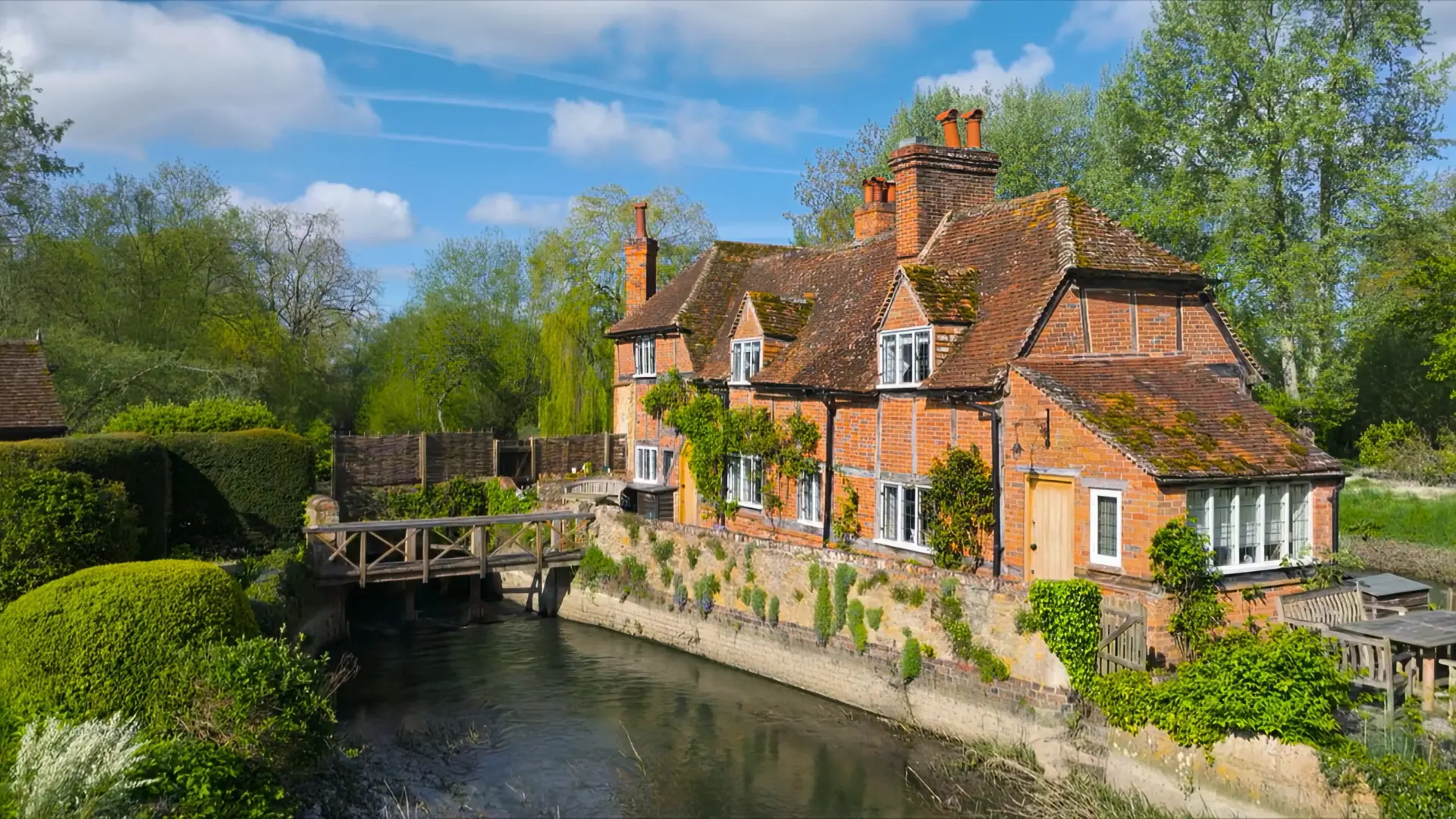
Henry and Sarah’s millhouse provides a unique, untamed habitat for local British wildlife.
The story begins at a remarkable property. Henry and Sarah live in a 1,000-year-old millhouse recorded in the Doomsday Book. Their home is surrounded by a river that swells dangerously in the early spring. Consequently, they practice a specific philosophy of wild gardening. They leave patches of grass uncut and allow deadwood to rot, actively choosing to preserve the natural habitat. This hands-off approach creates a sanctuary for native wildlife, transforming their backyard into a bustling ecosystem.
The High-Speed Life of the Kingfisher
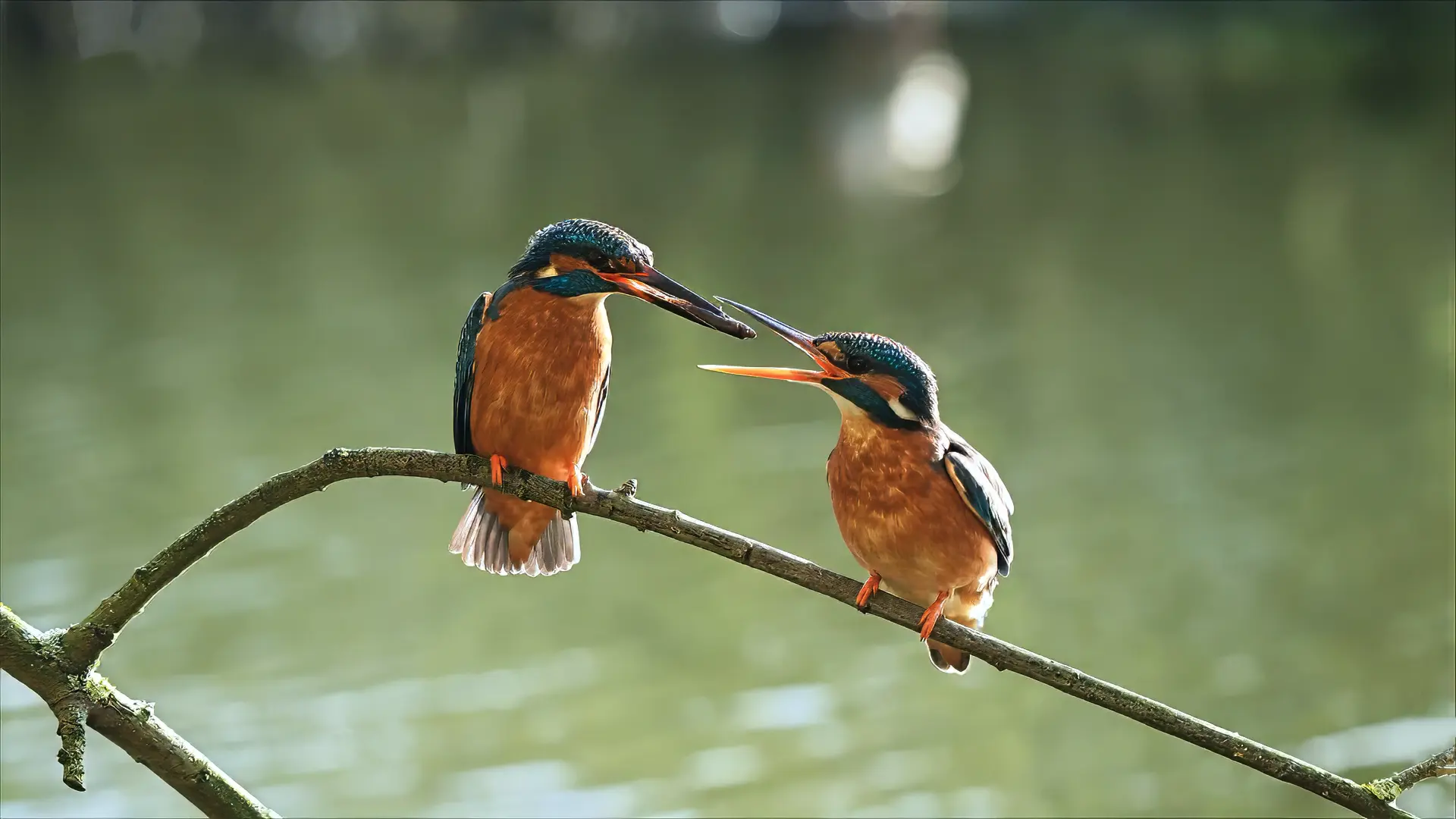
The male kingfisher must prove his hunting prowess to win over a mate for the spring season.
The rising, silt-heavy river presents a massive challenge for the resident wildlife. A male kingfisher must catch up to 15 fish every single day just to survive. He strikes the water at astonishing speeds of 25 miles per hour. To protect his vision, he utilises a unique biological adaptation; special oils in his eyes act like natural sunglasses to cut through the water’s glare. Furthermore, he is not just feeding himself. He catches a large fish and presents it to a newly arrived female, a crucial courtship display needed to secure a mate for the season.
Navigating Modern Dangers: The Bank Vole
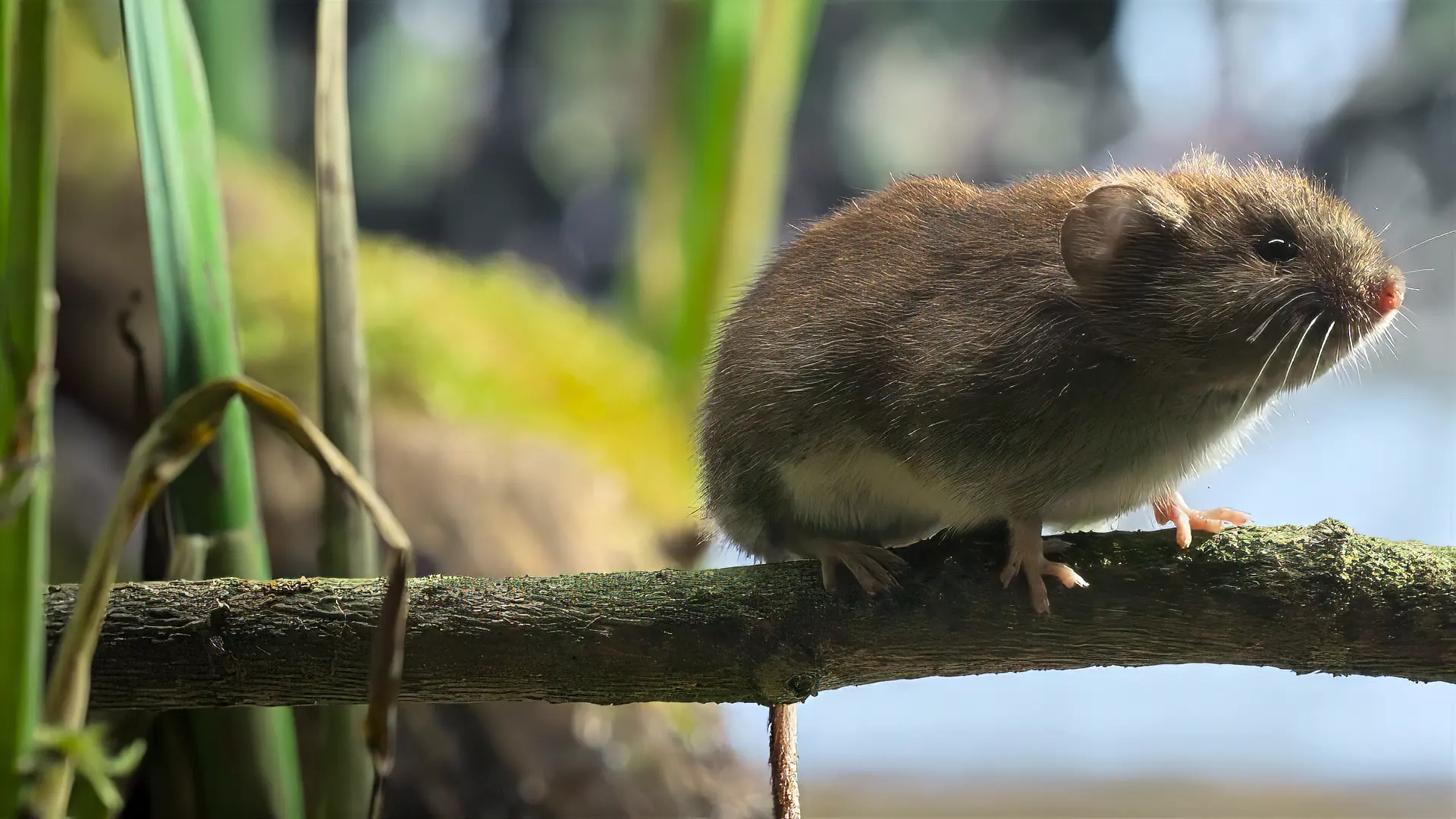
The bank vole must remain constantly vigilant to avoid both natural predators and modern garden hazards.
Down on the ground, life is equally perilous. A female bank vole emerges cautiously from her burrow after a long winter. She requires urgent nourishment but must remain constantly alert. To avoid the sharp eyes of passing buzzards, she utilises the thick vegetation for cover. However, she faces an entirely modern threat in the form of a robotic lawnmower. She must time her feeding excursions perfectly to dodge the automated blades, showcasing incredible adaptability in an ever-changing environment.
Discovering the Elusive Nocturnal Otter
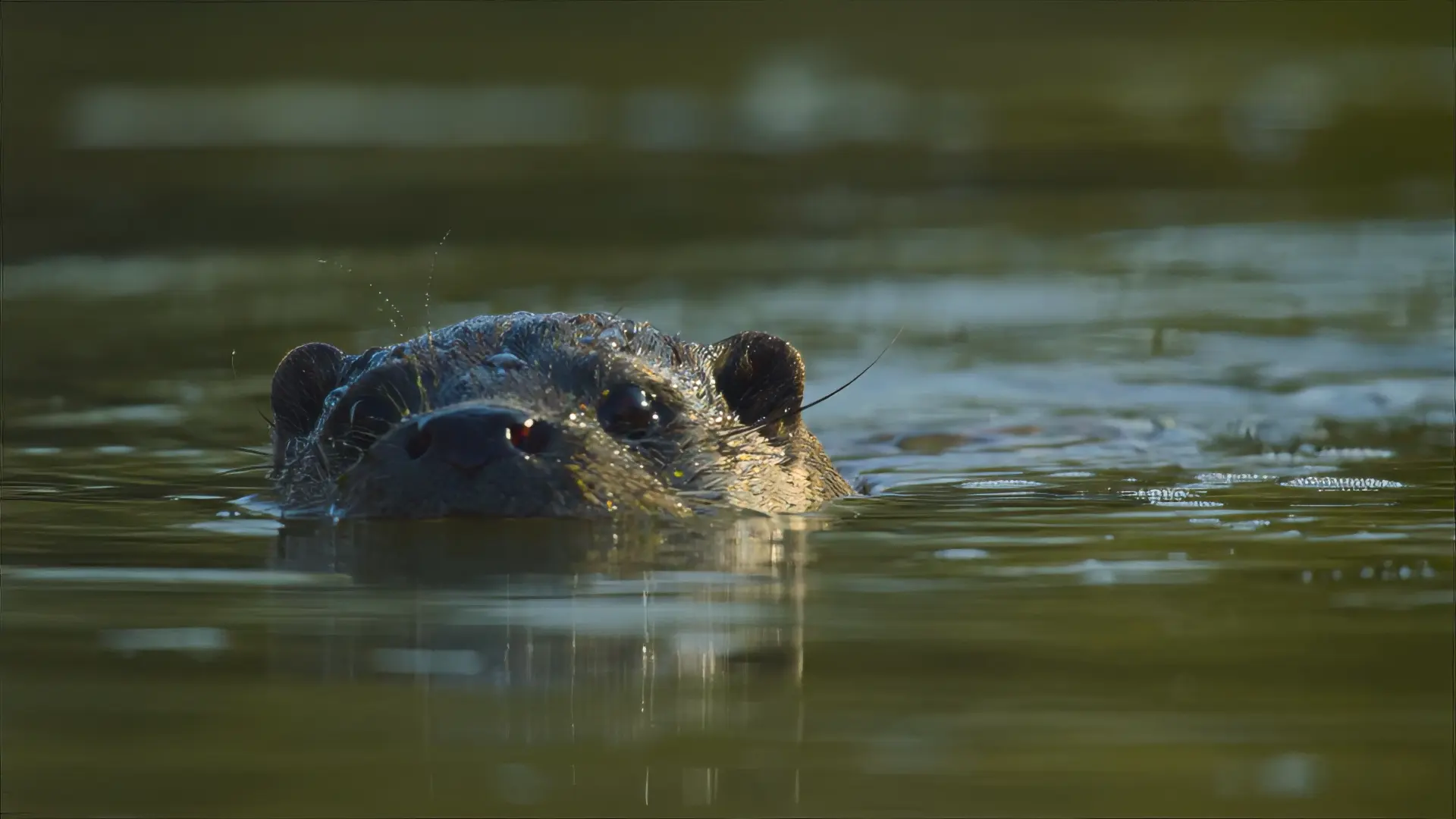
Though it is the garden’s top nocturnal predator, the elusive millhouse otter is occasionally captured navigating the river waters during daylight hours.
When the sun sets, a completely different cast of characters takes over the garden. The old mill channel becomes the hunting ground for an apex predator. A highly elusive otter navigates the dark waters with ease, searching for crayfish and small fish. Capturing this footage required immense patience from the camera crew. They deployed state-of-the-art remote thermal cameras to observe the nocturnal ecosystem without disturbing the delicate balance of the wildlife.
Key Scientific Concepts
This episode perfectly illustrates several fundamental biological principles in action within a domestic setting.
- Ecosystem Interdependence: Every creature in the garden relies entirely on the state of the river and the surrounding vegetation. When the water level changes, predators must alter their hunting strategies, and prey must find new areas of shelter.
- Sensory Adaptation: Animals develop highly specialised traits to thrive in their specific niches. The grass snake, for example, detects its prey by sensing microscopic ground vibrations through its lower jaw and using its forked tongue to smell in stereo.
- Life Cycle Synchronisation: Many vulnerable species coordinate their development to maximise their chances of survival. Mallard ducklings communicate with each other from within their shells, ensuring they all hatch simultaneously and leave the nest as a united group.
Quick Science Facts from This Episode
- A male kingfisher hits the water at 25 miles per hour to catch its prey.
- Bank voles freeze completely still to avoid detection by aerial predators.
- Mallard ducks incubate their eggs for exactly four weeks before hatching.
- A single D’Aubenton’s bat can eat up to 3,000 insects during one night of hunting.
- Mayflies are unique among winged insects because they undergo a second adult moult.
- Grass snakes track small mammals by tasting the chemical trails left in the air.
Thoughts for The Future
The observational ecology showcased in this beautiful broadcast remains a highly accurate representation of British wildlife. The specific behaviours recorded, from the kingfisher’s courtship to the otter’s nocturnal hunting, are foundational elements of modern biological studies.
However, the pressing need for the wild gardening techniques demonstrated by Henry and Sarah has only increased. As urban development continues to encroach on natural habitats, ecologists now heavily promote the creation of untidy, natural corridors in domestic spaces. These mini-reserves are critical for the survival of small mammals and essential pollinating insects.
David Attenborough
02 // EPISODE_INDEX10 nature documentaries and films remastered for modern classrooms
🌎 Earth Science (1 episodes)

🌱 Living Things (9 episodes)

David Attenborough's Galapagos - Origin
David Attenborough's Tasmania - Full Documentary

Kingdom of Plants - Part 03
David Attenborough's Galapagos - Adaptation
David Attenborough's Galapagos - Evolution

David Attenborough | Kingdom of Plants - Part 01

Kingdom of Plants - Part 02

Secret Garden | Bristol Town House
Secret Garden | The Lake District
Loading Biography...
Episode Discussion
Share your thoughts on this David Attenborough lecture