





































Pollution Solutions
The Earth is a closed system, which means there is no way for our pollution to escape. Whether it is smog, toxic waste, litter, or even noise, everything we put into our environment stays here. But since we created the problem, we can create the solutions!
The Closed System
Directly into the local rivers, lakes, or bays! Storm drains are not connected to sewage treatment plants. Anything that goes down a storm drain, like spilled motor oil or trash, ends up directly out in the natural ecosystem.
Yes! Noise is a form of pollution that can rattle nerves and disrupt ecosystems. Long-term exposure to sounds over 85 decibels can even cause permanent hearing loss.
Test Your Environmental Instincts
We interact with pollution every single day. Pick an answer below to test your knowledge.
An apple core! Plant and animal products are biodegradable, meaning they decompose and rot away into the Earth. Plastics and aluminum are not biodegradable and will stay in the environment for hundreds of years.
It burns less fuel! Lowering the thermostat saves massive amounts of energy. That means less burning of coal, gas, or oil, resulting in a cleaner atmosphere.
The Science of Cleanup
Tap each card to uncover the different types of pollution affecting our planet, and the scientific solutions we can use to fix them.
Key Concepts
The Closed System
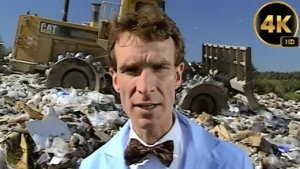
Tap to learn moreThe Earth is a closed system. When chemicals sit in a landfill, rain washes them into the groundwater, which eventually carries them to our lakes and streams.
Non-Point Source
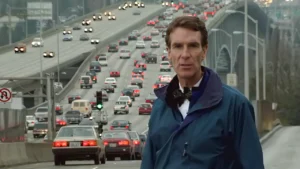
Tap to learn moreMost pollution does not come from giant factories. It comes from everyday people doing small things like spilling gas, letting oil drip from cars, or dropping litter. This is called non-point source pollution.
Acid Rain
Tap to learn moreWhen factories belch chemicals like sulfur and nitrogen into the sky, they form sulfuric and nitric acids. This falls as acid rain, which gets into the water and damages ecosystems.
The Thermostat
Tap to learn moreIf everyone turned their thermostat down just a couple of degrees, we would save massive amounts of energy. That means less burning of fossil fuels and significantly less pollution.
Biodegradability
Tap to learn morePlant and animal products are biodegradable, meaning they decompose back into the Earth. Plastics and aluminum are not, and will stay in the environment for hundreds of years.
Electric Cars
Tap to learn moreRegular cars spread exhaust everywhere they go. Electric cars run on electricity from a power plant, which concentrates the pollution in one single place where it can be heavily filtered.
Trees and Carbon
Tap to learn moreAn average tree takes in about 5 kilograms of carbon dioxide each year and converts it into oxygen. Cutting down too many trees leaves too much CO2 in the atmosphere, leading to global warming.
Every Piece Counts
Tap to learn moreJust as pollution builds up one drop, puff, or can at a time, we can clean it up the same way. Every single bottle you recycle keeps one more bottle out of the waste stream.
Interactive: The Non-Point Pollution Accumulator
Every small action adds up because the Earth is a closed system! Select a daily habit for transportation and waste. Then, use the Population Multiplier to see what happens to the city's ecosystem when millions of people copy that exact same habit. Click "Simulate Impact" to run the model!
Apply Your Knowledge
Let us see if you can correctly identify the essential scientific terminology associated with environmental science.
Match the Concepts
Click a scientific term to select it, then click the matching description to place it.
Design a Warning Label
Imagine you work for the city's water department. You notice that people are dumping leftover paint and motor oil into the metal storm grates on the side of the road. Write a short, persuasive warning label to be painted next to these grates explaining exactly where that water goes and why it is dangerous.
What Has Changed Since This Episode Aired
This episode originally aired in 1996. Since then, environmental science has made massive leaps forward!
Updated: In the episode, Bill Nye visited a lab experimenting with early plastics made from plants. Today, bioplastics are commercially viable. You can find compostable cups and packaging made from cornstarch in many restaurants!
Updated: We used to only worry about plastic in oceans and landfills. However, in 2023, scientists discovered microplastics in high-altitude clouds over mountains in Japan and China. These airborne plastics act as cloud condensation nuclei and could actively alter global weather patterns.
Updated: Electric cars were originally seen as a way to move pollution to centralized power plants where it could be filtered. Now, with the massive expansion of solar and wind power, many electric cars are charged using completely renewable energy grids, eliminating the exhaust pollution entirely.
Updated: While picking up trash by hand is still important, massive engineering projects are now tackling ocean pollution. Technologies like "The Ocean Cleanup" use giant floating barriers driven by ocean currents to actively capture and remove tons of plastic from the Great Pacific Garbage Patch.
Updated: Sorting recycling used to be entirely manual. Modern recycling facilities now use artificial intelligence and high-speed robotic arms to instantly identify and sort different types of plastics and metals, making recycling vastly more efficient.
Test Your Understanding
Answer these 10 questions and get instant feedback. How many can you get right?
Results
Your score:
Episode Discussion
Share your thoughts on this Bill Nye The Science Guy episode