









































































Farming
Have you ever wondered how enough food is grown to feed billions of people? Humans use the science of farming to completely change the natural environment, manipulating soil, water, and plant biology to create a massive carpet of food!
The Science of our Supermarkets
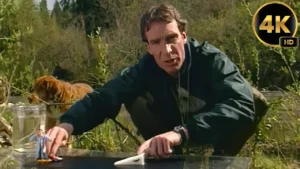
Organic material! Topsoil is not just dirt and rocks. It contains about 10 percent organic material, which comes from the remains of dead plants and animals. This material provides all the essential nutrients for new crops to grow.
The Earthworm! A single acre of farmland can hold 50,000 earthworms. As they eat their way through the dirt, they open up channels for oxygen and water. Their waste, called castings, is an incredible natural fertiliser.
Test Your Agricultural Instincts
Think about the massive scale required to feed the planet. Pick an answer below to test your knowledge.
To hold the soil and create organic material! These are called "cover crops". They prevent the rich topsoil from blowing away in winter storms. In the spring, farmers plough the rye directly into the dirt, turning it into fresh, nutrient-rich compost for the next crop.
It creates a massive target for insects! Planting huge fields of a single type of plant (a monoculture) disrupts the natural ecosystem. Without a diversity of plants to support natural predators, hungry insect populations explode, forcing farmers to use toxic sprays to save the harvest.
The Ecology of Agriculture
Tap each card to uncover the biological and chemical science behind modern farming, from soil composition to mass-produced crop management.
Key Concepts
Topsoil
Tap to learn moreTopsoil is the nutrient-rich upper layer of dirt where plants grow. It takes centuries for nature to create healthy topsoil, requiring a delicate balance of minerals, sand, and decaying organic material.
Mass Agriculture
Tap to learn moreTo feed billions of people, farmers use heavy machinery to plant single crops (like wheat or corn) over thousands of acres. While this is incredibly efficient, growing only one type of plant rapidly drains specific nutrients from the soil.
Synthetic Fertilisers
Tap to learn moreBecause mass agriculture depletes the dirt, farmers apply synthetic fertilisers. These are laboratory-manufactured chemicals that provide a massive, instant boost of nitrogen and phosphorus to force rapid plant growth.
Chemical Pesticides
Tap to learn moreA field full of one crop is a massive target for hungry insects. Conventional farmers use chemical pesticides (toxic sprays) to quickly wipe out massive swarms of bugs and protect the harvest.
Organic Farming
Tap to learn moreOrganic farming is an alternative method that entirely avoids synthetic chemicals. Instead of using artificial sprays, these farmers rely on natural animal compost and biological ecosystem balances to keep plants healthy.
Crop Rotation
Tap to learn moreTo keep soil healthy without chemicals, farmers use crop rotation. By changing the type of plant grown in a field each season (such as planting winter rye), the new plants naturally restore the exact nutrients the previous crops took out.
Earthworms
Tap to learn moreEarthworms are vital for healthy dirt. As they tunnel, they loosen hard soil so water and oxygen can reach plant roots. Their waste, called castings, is one of the most powerful natural fertilisers available.
Irrigation
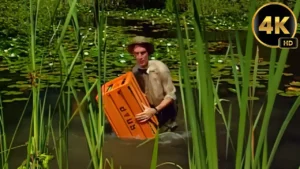
Tap to learn moreWhen natural rain is not enough, farmers use irrigation. They build massive dams, reservoirs, and deep wells to pump millions of litres of water directly into dry fields, completely changing the local environment.
Interactive: Sustainable Farming Challenge
You have 10 harvests to reach a yield of 600 bushels of wheat. Harvesting food always takes a toll on the land. Synthetic fertilisers give a massive yield boost but rapidly destroy the topsoil. Organic compost yields a steady amount of food and causes less soil damage. To truly restore the dirt, you must rest the field and plant a cover crop. Can you find the perfect crop rotation?
Apply Your Knowledge
Let us see if you can correctly identify the essential agricultural techniques and chemicals used to feed the planet.
Match the Concepts
Click a farming term to select it, then click the matching description to place it.
Design Challenge: Restoring the Mekong Delta
You are an agricultural scientist advising a farming community in the Mekong Delta. Their topsoil is severely depleted of nutrients, leading to failing harvests. You must choose a strategy: will you recommend a quick-fix using heavy synthetic fertilisers and chemical pesticides, or a long-term organic strategy using crop rotation and natural compost? Write a short paragraph arguing for your chosen method and explaining its future impact on the farmland's topsoil.
What Has Changed Since This Episode Aired
This episode originally aired in 1997. Since then, technology and biology have revolutionised how we feed the world!
Then (1997): Farmers relied mostly on large, manually driven tractors to manage massive fields visually.
Now: Modern farms use fleets of autonomous drones and GPS-guided tractors to analyse individual plants, applying the exact right amount of water or fertiliser only to the specific spots where it is needed.
Then: Farming required vast, flat acres of outdoor land.
Now: Scientists have developed "vertical farms" inside massive urban warehouses. Using highly efficient LED lights and robotics, they stack crops vertically, producing hundreds of times more food per square metre right in the middle of major cities!
Then: Bill Nye the Science Guy highlighted basic crop management and traditional crossbreeding.
Now: Geneticists can precisely edit the DNA of crops using revolutionary technology like CRISPR. They can instantly make plants completely resistant to specific diseases or droughts, drastically reducing the need for chemical sprays.
Then: Meat strictly required raising and feeding massive herds of animals on huge tracts of land.
Now: Scientists can take a few cells from a healthy animal and grow real meat in a laboratory without harming the animal. This "cellular agriculture" uses a fraction of the land and water required by traditional farming.
Then: Topsoil was considered an absolute requirement for growing massive crops.
Now: Hydroponic farms grow plants with their roots directly in nutrient-rich water. Aeroponic farms grow plants in the air, spraying the roots with nutrient mist. These advanced methods use up to 90 percent less water than traditional soil farming!
Test Your Understanding
Answer these 10 questions and get instant feedback. How many can you get right?
Results
Your score:
Episode Discussion
Share your thoughts on this Bill Nye The Science Guy episode