

























































Wetlands
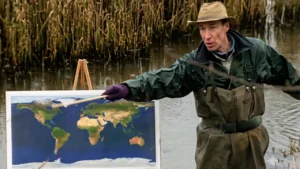
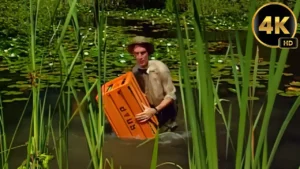
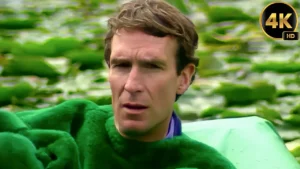
Imagine a place where the land is soaking wet. It might look like a muddy swamp, but wetlands are actually bustling ecosystems that protect our cities and clean our water. Join Bill Nye the Science Guy to discover why these soggy environments are vital for our planet's survival!
More Than Just Mud!
They soak up massive amounts of water! The soil and plants in a wetland act together to slow down and hold onto excess rainwater. This natural absorption process prevents rushing water from flooding nearby towns and cities.
Not at all! Wetlands are incredibly rich habitats. They provide critical food, shelter, and breeding grounds for a massive variety of wildlife, including many endangered species that cannot survive anywhere else.
Put Your Instincts to the Test
Think about how water interacts with land. Pick an answer for each question, then see if your instincts were right.
The soil and plants act like a giant sponge! The roots of wetland plants slow the water down, and the wet soil naturally absorbs extra water, preventing it from rushing into nearby towns.
False! Quicksand is mostly just water pushing sand grains apart. You will not be sucked down; you can actually float on your back because the human body is less dense than the quicksand!
Understanding the Science
Tap each card to uncover the fundamental vocabulary and ecological concepts that make wetlands so incredibly important to our planet.
Key Concepts
Wetland
Tap to learn moreA highly diverse ecosystem where the land is completely saturated with water for at least part of the year. This broad scientific category includes entirely different environments like murky swamps, acidic bogs, and grassy marshes.
Estuary
Tap to learn moreA highly productive coastal zone where fresh water flowing from a river meets and mixes with the salty water of the sea. These brackish waters are vital spawning grounds for a massive variety of commercial fish.
Natural Filter
Tap to learn moreThe biological process where wetland plants physically slow down rushing water, allowing heavy dirt to settle while roots trap dangerous chemical pollutants, cleaning the water before it reaches rivers or oceans.
Peat Bog
Tap to learn moreA fascinating wetland where dead plant material does not fully decay due to acidic conditions. Over tens of thousands of years, it compresses into a thick, spongy, highly combustible soil known as peat.
Habitat
Tap to learn moreThe natural home that provides essential food, water, and shelter. Because they are so rich in resources, wetlands serve as the primary habitat for approximately one third of the world's endangered species.
Flood Control
Tap to learn moreWetlands act exactly like a giant sponge. During heavy rainstorms, water molecules stick to the already moist soil, absorbing the excess volume and preventing catastrophic flooding in nearby human cities.
Quicksand
Tap to learn moreA natural phenomenon often found near underground springs. Upward-flowing water pushes sand grains apart, dramatically reducing their friction and density, causing heavy objects to sink into the watery mixture.
Detritus
Tap to learn moreDead and decaying organic matter, such as fallen leaves and animal waste. In a wetland, detritus is broken down by bacteria into essential nutrients, forming the foundational base of the entire food web.
Interactive: The Wetland Flood Defence Simulator
You are an urban planner facing a massive rainstorm!
Instructions: Press Start Simulation. Adjust the amount of wetlands versus paved city concrete. Watch the city skyline change dynamically. Pavement forces water to run off instantly, while wetlands act like a sponge. See if you can balance urban development while keeping the city dry! (Turn on sound to hear the ecosystem respond)
Apply Your Knowledge
Let us see if you can correctly identify the essential terminology associated with wetland ecosystems.
Match the Concepts
Click a scientific term to select it, then click the matching description to place it.
Real-World Challenge
You are a city planner in charge of building a new housing development near a river. A large marsh sits between the river and your proposed building site. Based on your knowledge of wetlands, write a brief proposal explaining why it is economically smarter to leave the marsh untouched rather than filling it in with dirt.
What Has Changed Since This Episode Aired
This episode originally aired in the mid-1990s. Since then, the way we protect and manage our natural environment has improved significantly.
Updated: Yes! Today, many countries have strict environmental protection laws that make it illegal to drain or fill certain wetlands without special permits and ecological mitigation plans. Protection is taken very seriously.
Updated: The Everglades have undergone one of the largest ecological restoration projects in human history. Scientists and engineers have been working for decades to remove old dams and canals to restore the natural flow of water that was disrupted in the 20th century.
Test Your Understanding
Answer these 10 questions and get instant feedback. How many can you get right?
Results
Your score:
Reflection
Think about your local area. Are there any natural areas, like parks, streams, or coastal zones, that act a bit like a wetland? How does your community protect these spaces?
Episode Discussion
Share your thoughts on this Bill Nye The Science Guy episode