











































Skin
Introduction
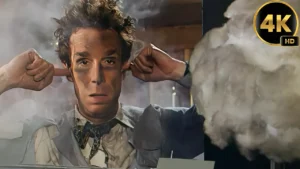
Bill Nye is back with an exciting episode about skin, our body’s essential shield. It covers and protects our muscles, bones, and organs from germs. Furthermore, it helps us feel touch, temperature, and pain. In this fascinating adventure, Bill Nye reveals how skin renews old cells with fresh ones, ensuring ongoing protection. He also explains how sweat cools us on scorching days. Additionally, he notes that each of us has unique fingerprints, formed by tiny ridges.
Because of this structure, our bodies remain safe from external harm. Bill Nye captures our attention by breaking down complex ideas into simple demonstrations. As a result, viewers of all ages can appreciate the many roles skin plays in everyday life.
Layers of Skin
Our skin consists of three layers: the epidermis, the dermis, and the subcutaneous tissue. First, the epidermis blocks dirt and microbes. Second, the dermis contains sweat glands, hair follicles, and nerves that sense our environment. Meanwhile, the subcutaneous layer cushions us with fat and insulates the body. Consequently, these layers act like protective gear to maintain overall health. Bill Nye shows how dead cells shed, letting new cells grow to keep our shield strong.
Bill Nye’s Experiments
In this episode, Bill Nye shows how sweat cools our bodies by comparing damp cloth to human skin. As water evaporates, it removes heat, leaving us refreshed. This process explains why hydration matters in hot weather.
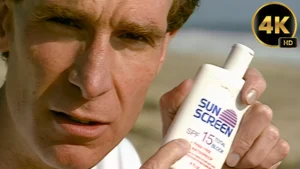
Next, he highlights melanin’s role in blocking ultraviolet rays. People with darker skin make more melanin, yet sunscreen is still vital for everyone. Additionally, Bill Nye tests nerve responses to temperature shifts, revealing our lightning-fast reflexes.
Modern Skincare Insights
Today, scientists study the skin’s microbiome, which houses friendly bacteria that protect us from harmful germs. They also develop new treatments for acne, eczema, and persistent rashes. Thus, Bill Nye’s core lessons remain useful in modern dermatology.
A balanced diet and proper hydration help keep our skin healthy and strong. Research links vitamins and minerals to quick wound healing and better elasticity. Furthermore, antioxidants can guard against everyday environmental damage. By following these insights, we can preserve a resilient outer shield.
Conclusion
Bill Nye concludes by stressing that skin care goes beyond appearances. Simple habits, such as washing hands, can ward off infections. Also, sunscreen shields us from ultraviolet rays. He reminds us to watch for changes like unexplained rashes or new moles.
Therefore, early attention can prevent serious problems. Bill Nye believes that knowledge sparks wise choices, urging viewers to stay curious. He shows that skin is more than a covering; it is vital for good health. Consequently, Bill Nye’s enthusiasm encourages everyone to explore science and adopt healthy habits that benefit both body and mind. Ultimately, this episode proves that understanding our skin leads to a deeper respect for life on every level.
More Seriously Scientific Links
Visit our homepage for more Seriously Scientific news and documentaries: https://seriouslyscientific.com.
Subscribe to our YouTube channel for more science content: https://youtube.com/@seriouslyscientific.
Get free science worksheets for students and educators: https://teacherspayteachers.com/Store/Seriously-Scientific.
Follow us on BlueSky: https://bsky.app/profile/seriouslysci.bsky.social.
Bill Nye The Science Guy
02 // EPISODE_INDEX100 remastered episodes across 5 seasons of science education
Season 1 (20 episodes)
Bill Nye The Science Guy | Flight
Bill Nye The Science Guy | Earth's Crust
Bill Nye The Science Guy | Dinosaurs
Bill Nye The Science Guy | Skin
Bill Nye The Science Guy | Buoyancy
Bill Nye The Science Guy | Gravity
Bill Nye The Science Guy | Digestion
Bill Nye The Science Guy | Phases of Matter
Bill Nye The Science Guy | Biodiversity
Bill Nye The Science Guy | Simple Machines
Bill Nye The Science Guy | The Moon
Bill Nye The Science Guy | Sound
Bill Nye The Science Guy | Garbage
Bill Nye The Science Guy | Structures
Bill Nye The Science Guy | Earth's Seasons
Bill Nye The Science Guy | Light & Color
Bill Nye The Science Guy | Cells
Bill Nye The Science Guy | Electricity
Bill Nye The Science Guy | Outer Space
Bill Nye The Science Guy | Eyeballs
Season 2 (20 episodes)
Bill Nye The Science Guy | Magnetism
Bill Nye The Science Guy | Wind
Bill Nye The Science Guy | Blood & Circulation
Bill Nye The Science Guy | Chemical Reactions
Bill Nye The Science Guy | Static Electricity
Bill Nye The Science Guy | Food Webs
Bill Nye The Science Guy | Light Optics
Bill Nye The Science Guy | Bones & Muscle
Bill Nye The Science Guy | Oceanography
Bill Nye The Science Guy | Heat
Bill Nye The Science Guy | Insects
Bill Nye The Science Guy | Balance
Bill Nye The Science Guy | The Sun
Bill Nye The Science Guy | The Brain
Bill Nye The Science Guy | Forests
Bill Nye The Science Guy | Communication
Bill Nye The Science Guy | Momentum
Bill Nye The Science Guy | Reptiles
Bill Nye The Science Guy | Atmosphere
Bill Nye The Science Guy | Respiration
Season 3 (21 episodes)
Bill Nye The Science Guy | Planets & Moons
Bill Nye The Science Guy | Pressure
Bill Nye The Science Guy | Plants
Bill Nye The Science Guy | Rocks & Soil
Bill Nye The Science Guy | Energy
Bill Nye The Science Guy | Evolution
Bill Nye The Science Guy | The Water cycle
Bill Nye The Science Guy | Friction
Bill Nye The Science Guy | Germs
Bill Nye The Science Guy | Climates
Bill Nye The Science Guy | Waves
Bill Nye The Science Guy | Ocean Life
Bill Nye The Science Guy | Mammals
Bill Nye The Science Guy | Spinning Things
Bill Nye The Science Guy | Fish
Bill Nye The Science Guy | Human Transportation
Bill Nye The Science Guy | Wetlands
Bill Nye The Science Guy | Birds
Bill Nye The Science Guy | Populations
Bill Nye The Science Guy | Animal Locomotion
Bill Nye The Science Guy | Invertebrates
Season 4 (19 episodes)
Bill Nye The Science Guy | Rivers & Streams
Bill Nye The Science Guy | Nutrition
Bill Nye The Science Guy | Marine Mammals
Bill Nye The Science Guy | Earthquakes
Bill Nye The Science Guy | NTV Music Videos
Bill Nye The Science Guy | Spiders
Bill Nye The Science Guy | Pollution Solutions
Bill Nye The Science Guy | Probability
Bill Nye The Science Guy | Pseudoscience
Bill Nye The Science Guy | Flowers
Bill Nye The Science Guy | Archaeology
Bill Nye The Science Guy | Deserts
Bill Nye The Science Guy | Amphibians
Bill Nye The Science Guy | Volcanoes
Bill Nye The Science Guy | The Heart
Bill Nye The Science Guy | Inventions
Bill Nye The Science Guy | Computers
Bill Nye The Science Guy | Fossils
Bill Nye The Science Guy | Time
Season 5 (20 episodes)
Bill Nye The Science Guy | Forensics
Bill Nye The Science Guy | Space Exploration
Bill Nye The Science Guy | Genes
Bill Nye The Science Guy | Architecture
Bill Nye The Science Guy | Farming
Bill Nye The Science Guy | Life Cycles
Bill Nye The Science Guy | The Scientific Method
Bill Nye The Science Guy | Atoms
Bill Nye The Science Guy | Ocean Exploration
Bill Nye The Science Guy | Lakes and Ponds
Bill Nye The Science Guy | Smell
Bill Nye The Science Guy | Caves
Bill Nye The Science Guy | Erosion
Bill Nye The Science Guy | Fluids
Bill Nye The Science Guy | Comets and Meteors
Bill Nye The Science Guy | Measurement
Bill Nye The Science Guy | Patterns
Bill Nye The Science Guy | Storms
Bill Nye The Science Guy | Music
Bill Nye The Science Guy - Motion
Loading Biography...
Skin
Based on Bill Nye the Science Guy · Season 1, Episode 4 · 22 min
When you think of vital organs, you probably picture your heart, your brain, or your lungs. But there is a massive, incredibly complex organ that covers you from head to toe, holding everything else inside! Let us take a closer look at the science of your skin.
What is the Largest Organ in Your Entire Body?
Your skin! It makes up about 16 percent of your total body weight. It is a living, breathing shield that regulates your temperature and keeps out dangerous germs.
Dead skin cells! Humans shed millions of dead skin cells every single day. Your skin is constantly renewing itself from the inside out to keep your protective armour fresh.
Put Your Instincts to the Test
Think about what you already know about your body. Pick an answer for each question, then see if your instincts were right.
Completely dead cells! The top layer of your skin is dead, which is actually a great thing. It creates a tough, waterproof shield that protects the living cells underneath.
To cool your body down! When the water in your sweat turns into a gas (evaporates), it pulls heat away from your skin, acting like a built-in air conditioner.
A special pigment called melanin! Melanin acts like natural sunscreen, absorbing harmful rays from the sun to protect the delicate cells deep inside your body.
Understanding the Science
Let us peel back the layers and break down the amazing science of the integumentary system with Bill Nye the Science Guy.
Key Concepts
Epidermis
Tap to learn moreThe epidermis is the thin, tough outer layer of your skin. The very top is made of dead cells that constantly flake off, while the bottom of this layer is constantly dividing to make new ones to replace them.
Dermis
Tap to learn moreThe dermis is the thicker, living inner layer of your skin right beneath the epidermis. It is a busy place, packed with blood vessels, sensitive nerves, hair roots, and sweat glands.
Melanin
Tap to learn moreMelanin is a special pigment produced in the epidermis. It gives skin its colour and acts like a powerful shield, absorbing harmful ultraviolet rays from the sun to prevent damage to your DNA.
Sweat Glands
Tap to learn moreSweat glands are tiny coiled tubes in the dermis that release salty water onto the surface of your skin. As this water turns to vapour and evaporates, it carries body heat away into the air.
Sebaceous (Oil) Glands
Tap to learn moreThese tiny glands produce a natural oil called sebum. This oil constantly coats your skin and hair, keeping it soft, making it waterproof, and stopping it from drying out and cracking.
Goosebumps
Tap to learn moreTiny muscles attached to your hair follicles contract when you are cold, pulling the hairs straight up to form goosebumps. In furry animals, this traps a layer of warm air, but humans do not have enough hair for it to work very well!
Nerve Endings
Tap to learn moreMillions of tiny sensors called nerve endings live in your dermis and send messages up to your brain. They act like warning systems, allowing you to feel touch, pressure, heat, cold, and pain.
Fingerprints
Tap to learn moreFingerprints are tiny friction ridges on your hands and feet. They help you grip objects tightly, and because of how they form before you are born, no two people on Earth have the exact same pattern!
Try It: Interactive Skin Cross-Section
Take control of the environment! Adjust the "Temperature" and "Sunlight" sliders to watch how the layers of skin react. See sweat drops form to cool you down, and watch melanin darken to protect the cells from UV rays.
Apply Your Knowledge
Let us see if you can match the parts of your skin to the real-world technologies that do similar jobs.
Match the Concepts
Click an object to select it, then click the matching description to place it.
Real-World Challenge
Imagine you are a biomedical engineer designing a new spacesuit for astronauts. Based on the amazing functions of human skin, list three specific systems your spacesuit must have to keep the astronaut alive and comfortable in the harsh environment of space.
What Has Changed Since This Episode Aired
This episode first aired in the early 1990s. While the biology of our skin has not changed, medical science and our understanding of how to protect it have advanced incredibly!
Updated: Not quite! In the 1990s, sunscreens mostly only protected against "UVB" rays (the ones that cause immediate sunburns). Today, we know that "UVA" rays penetrate even deeper and cause long-term skin damage. Modern sunscreens are "Broad Spectrum", meaning they protect against both types of harmful rays. We also now have reef-safe sunscreens that protect delicate marine life when we swim in the ocean!
Updated: In the past, treating severe burns meant moving skin from one part of the body to another (a skin graft), which was painful and limited by how much healthy skin a person had. Today, scientists can take a few of a patient's own skin cells, grow them in a laboratory, and even use 3D bioprinters to print new, living sheets of skin to heal severe injuries!
Updated: Yes! We now know that your immune system is what makes tattoos permanent. When the needle puts ink into the dermis, white blood cells called "macrophages" rush over to eat the ink because they think it is an invading germ. When those immune cells eventually die, they pass the ink onto brand new macrophages, holding the art safely in place forever.
Test Your Understanding
Answer these questions and get instant feedback. How many can you get right?
Results
Your score:
Reflection
Your skin works incredibly hard every single day to regulate your temperature, keep out germs, and let you feel the world. What are three things you can do to take better care of your largest organ?
Episode Discussion
Share your thoughts on this Bill Nye episode