
Bill Nye The Science Guy: Insects
Insects have been part of the world for more than 400 million years, and they outnumber and outweigh every other kind of animal put together. In this episode of Bill Nye the Science Guy, Bill shows how a body plan of three parts, six legs and a tough exoskeleton has let insects fill almost every corner of the planet.
In this episode you will discover:
- Why every insect has three body parts: head, thorax and abdomen
- How an exoskeleton holds an insect together the way an aircraft skin holds a plane
- Why most insects go through four stages of metamorphosis
- How a compound eye builds one picture from many little images
- Why insects are the world’s great pollinators and decomposers
- How different insects make sound with wings, legs and abdominal drums
What makes an insect an insect
Bill uses the giant insect model of science to show the rules: three body sections, six legs (three on each side), and a hard skeleton on the outside made of a material a little like a fingernail. That exoskeleton gives the insect its shape and stiffness, the same way the skin of a plane holds the wings and fuselage together. Everything else, from a beetle to a bee, is a variation on that theme.
Key concept
Exoskeleton
A hard outer shell that gives an insect its shape and protects the soft parts inside.
Key concept
Metamorphosis
The complete change from egg to larva to pupa to adult that most insects go through.
Key concept
Compound eye
An eye made of many small lenses, each picking up part of the scene, which the brain blends into one image.
Bill Nye’s demonstrations
Bill drums on his own arm to show that human skin is soft, then taps a hollow aircraft frame to make the point that an insect’s body is stiff on the outside like the plane. He walks through the four stages of a butterfly’s life with Pat on the giant model, and visits entomologist Steve Kruecher’s laboratory to meet hissing cockroaches from Madagascar, tarantulas, scorpions and mealworms. Later he explores an ant colony inside a rotting stump and visits Vernard Lewis at Berkeley, whose termite villa houses more than 25,000 insects to study how they recycle dead wood.
Try this at home
The fruit fly life cycle jar. Cut a piece of ripe papaya or banana, drop it into a clean jar and leave the jar near an open window. When a few fruit flies appear, stretch a paper towel over the top with a rubber band. The flies lay eggs in the fruit, the eggs turn into larvae, the larvae become pupae, and then adults hatch out. The whole cycle takes about two weeks and you get to watch metamorphosis without leaving the kitchen.
The compound eye kaleidoscope. Roll a piece of card into a tube, tape three small mirrors together in a triangle inside it, and look through. Every object splits into many copies at once. Insect brains do something similar, blending dozens of tiny images from a compound eye into one picture of the world.
- Insects have been on Earth for more than 400 million years, long before dinosaurs, flowers or birds.
- All the ants on Earth together weigh about 60 billion kilograms, roughly a fifth of the weight of every human on the planet.
- A honey bee colony can hold 40,000 workers, all daughters of a single queen.
- Ants tunnelling under a stump can turn a fallen tree into fresh soil in a few years.
- The episode says insects are everywhere, but a long term study in German nature reserves found that the total mass of flying insects had dropped by more than 75 per cent in 27 years, an early warning that the numbers Bill was so confident about are moving in the wrong direction. Hallmann et al., PLOS ONE, 2017
- A new count using DNA barcodes from more than 1.6 million tropical specimens estimates the true number of insect species at 14 to 20 million, roughly three times the figure quoted since the early 1980s. Guzman et al., PNAS, 2026
- The United Nations food agency now recommends farming insects as a serious source of protein for people and livestock, because crickets and mealworms need only a fraction of the feed, water and land that cattle do. FAO, Edible insects report
KS3 biology
GCSE revision
IGCSE revision
Life cycles
Ecosystems
Bill Nye The Science Guy
02 // EPISODE_INDEX100 remastered episodes of science education
Season 1 (20 episodes)
Bill Nye The Science Guy | Flight

Bill Nye The Science Guy | Earth's Crust
Bill Nye The Science Guy | Dinosaurs
Bill Nye The Science Guy | Skin

Bill Nye The Science Guy | Buoyancy

Bill Nye The Science Guy | Gravity

Bill Nye The Science Guy | Digestion

Bill Nye The Science Guy | Phases of Matter

Bill Nye The Science Guy | Biodiversity

Bill Nye The Science Guy | Simple Machines

Bill Nye The Science Guy | The Moon
Bill Nye The Science Guy | Sound
Bill Nye The Science Guy | Garbage
Bill Nye The Science Guy | Structures

Bill Nye The Science Guy | Earth's Seasons
Bill Nye The Science Guy | Light & Color

Bill Nye The Science Guy | Cells
Bill Nye The Science Guy | Electricity

Bill Nye The Science Guy | Outer Space

Bill Nye The Science Guy | Eyeballs
Season 2 (20 episodes)

Bill Nye The Science Guy | Magnetism

Bill Nye The Science Guy | Wind

Bill Nye The Science Guy | Blood & Circulation

Bill Nye The Science Guy | Chemical Reactions
Bill Nye The Science Guy | Static Electricity

Bill Nye The Science Guy | Food Webs

Bill Nye The Science Guy | Light Optics

Bill Nye The Science Guy | Bones & Muscle

Bill Nye The Science Guy | Oceanography

Bill Nye The Science Guy | Heat
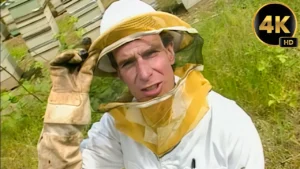
Bill Nye The Science Guy | Insects
Bill Nye The Science Guy | Balance
Bill Nye The Science Guy | The Sun
Bill Nye The Science Guy | The Brain
Bill Nye The Science Guy | Forests
Bill Nye The Science Guy | Communication

Bill Nye The Science Guy | Momentum

Bill Nye The Science Guy | Reptiles
Bill Nye The Science Guy | Atmosphere
Bill Nye The Science Guy | Respiration
Season 3 (20 episodes)

Bill Nye The Science Guy | Planets & Moons

Bill Nye The Science Guy | Pressure

Bill Nye The Science Guy | Plants
Bill Nye The Science Guy | Rocks & Soil

Bill Nye The Science Guy | Energy

Bill Nye The Science Guy | Evolution

Bill Nye The Science Guy | The Water cycle

Bill Nye The Science Guy | Friction
Bill Nye The Science Guy | Germs
Bill Nye The Science Guy | Climates

Bill Nye The Science Guy | Waves

Bill Nye The Science Guy | Ocean Life
Bill Nye The Science Guy | Mammals
Bill Nye The Science Guy | Spinning Things

Bill Nye The Science Guy | Fish

Bill Nye The Science Guy | Human Transportation
Bill Nye The Science Guy | Wetlands
Bill Nye The Science Guy | Birds

Bill Nye The Science Guy | Populations
Bill Nye The Science Guy | Animal Locomotion
Season 4 (20 episodes)
Bill Nye The Science Guy | Rivers & Streams

Bill Nye The Science Guy | Nutrition
Bill Nye The Science Guy | Marine Mammals
Bill Nye The Science Guy | Earthquakes

Bill Nye The Science Guy | NTV Music Videos
Bill Nye The Science Guy | Spiders

Bill Nye The Science Guy | Pollution Solutions

Bill Nye The Science Guy | Probability
Bill Nye The Science Guy | Pseudoscience
Bill Nye The Science Guy | Flowers

Bill Nye The Science Guy | Archaeology

Bill Nye The Science Guy | Deserts
Bill Nye The Science Guy | Amphibians

Bill Nye The Science Guy | Volcanoes

Bill Nye The Science Guy | Invertebrates

Bill Nye The Science Guy | The Heart

Bill Nye The Science Guy | Inventions

Bill Nye The Science Guy | Computers

Bill Nye The Science Guy | Fossils

Bill Nye The Science Guy | Time
Season 5 (20 episodes)

Bill Nye The Science Guy | Forensics

Bill Nye The Science Guy | Space Exploration

Bill Nye The Science Guy | Genes

Bill Nye The Science Guy | Architecture

Bill Nye The Science Guy | Farming

Bill Nye The Science Guy | Life Cycles
Bill Nye The Science Guy | The Scientific Method
Bill Nye The Science Guy | Atoms

Bill Nye The Science Guy | Ocean Exploration
Bill Nye The Science Guy | Lakes and Ponds
Bill Nye The Science Guy | Smell

Bill Nye The Science Guy | Caves

Bill Nye The Science Guy | Erosion
Bill Nye The Science Guy | Fluids
Bill Nye The Science Guy | Comets and Meteors

Bill Nye The Science Guy | Measurement

Bill Nye The Science Guy | Patterns
Bill Nye The Science Guy | Storms

Bill Nye The Science Guy | Music

Bill Nye The Science Guy - Motion
Insects
Based on Bill Nye the Science Guy · Season 2, Episode 11 · 23 min
They outnumber us millions to one, they live on almost every continent on Earth, and they come in some of the most bizarre shapes imaginable. Join Bill Nye the Science Guy as we shrink down to explore the wild, crawling, and buzzing world of insects!
What Has Six Legs and Flies?
Exactly three! Every single true insect on the planet has a body divided into three main parts. There is the head, the thorax, and the abdomen.
On the outside of their bodies! Insects have a hard outer shell called an exoskeleton. It acts like a tough suit of armour to protect their squishy insides.
Put Your Instincts to the Test
Think about what you already know about the bugs in your garden. Pick an answer for each question, then see if your instincts were right.
Metamorphosis! As Bill Nye the Science Guy explains, this is a massive biological change. The insect completely rebuilds its entire body to transition from a crawling larva into a flying adult.
Six! All true insects have exactly six legs. If a creepy crawly creature has eight legs, it belongs to the arachnid family and is not an insect!
The thorax! This is the middle section of the insect. Think of it as the heavy lifting control centre where all the movement muscles are anchored.
Understanding the Science
Tap each card to uncover the biological blueprints that make insects the most successful animals on Earth.
Key Concepts
Head
Tap to learn moreThe front section of an insect where the eyes, mouthparts, and antennae are located. It is the control centre for sensing the world.
Thorax
Tap to learn moreThe middle section of an insect. It acts as the engine room because all six legs and the wings are attached exclusively here.
Abdomen
Tap to learn moreThe rear section of an insect. It contains the vital organs for digestion and reproduction, and sometimes a stinger for defence.
Exoskeleton
Tap to learn moreA tough, rigid outer shell that supports and protects the insect. Because it cannot stretch, the insect must occasionally shed it to grow bigger.
Antennae
Tap to learn moreThe highly sensitive feelers attached to an insect's head. They use these incredible tools to smell, taste, and physically feel their environment.
Metamorphosis
Tap to learn moreThe dramatic biological process of changing from an immature form like a grub into a winged adult form in two or more distinct stages.
Pollination
Tap to learn moreThe vital job many insects perform by moving pollen from one flower to another, allowing plants to successfully grow fruits and seeds.
Entomologist
Tap to learn moreA scientist who specifically studies insects. For example, an apiologist is a highly specialised entomologist who only studies bees!
Try It: The Picnic Defender
Creepy crawlies are swarming your picnic blanket! You need to carefully capture the true insects for your scientific collection, but leave the spiders and centipedes alone.
The Mission: Use your net to catch only the creatures with exactly three body parts and six legs. If you catch an arachnid or a myriapod by mistake, you get a strike!
Ready to Defend?
Use your net to catch ONLY the True Insects!
Test Your Understanding
Answer these questions and get instant feedback. How many can you get right?
Results
Your score:
Reflection
If you could design your very own insect to survive in your back garden, what special adaptations would you give it? Would it have camouflage, massive wings, or a super tough exoskeleton?
Episode Discussion
Share your thoughts on this Bill Nye The Science Guy episode