


































Volcanoes
Episode Info
01 // ARCHIVE_DATAHow Do Volcanoes Erupt? Bill Nye the Science Guy Explains
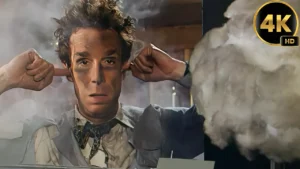
Some of the oldest land on Earth was born from fire. In this explosive episode, Bill Nye, the Science Guy, gets up close and personal with one of nature’s most powerful forces to answer the ultimate geological question: how do volcanoes erupt? From the steaming lava fields of Hawaii to the epic aftermath of Mount St. Helens, Bill explores the incredible science of volcanoes. These are not just mountains; they are windows to the Earth’s core, capable of transforming entire landscapes in a matter of hours.
Join us on a journey deep inside the planet to understand the immense pressure and heat that leads to an eruption. Bill demonstrates the difference between volcanoes that ooze lava and those that violently explode, all while creating brand new land right before our eyes. Get ready to explore the science of magma, tectonic plates, and the amazing process that has shaped our world for over four billion years. Science rules!
Magma, Pressure, and the Big Boom
What Makes a Volcano Erupt?
At its heart, a volcano is a vent where molten rock from deep inside the Earth finds its way to the surface. Bill Nye kicks things off with a classic baking soda and vinegar volcano, but quickly shows us the real deal is far more powerful. The key ingredients for an eruption are magma, which is hot molten rock beneath the surface, and trapped gases.
Just like a shaken bottle of soda, immense pressure builds up deep underground. As Bill demonstrates, heat causes the gases dissolved within the magma to expand. When the pressure becomes too great for the surrounding rock to contain, the volcano blows its top. This explosive force can reroute rivers, carve new valleys, and as seen at Mount St. Helens, flatten entire forests in seconds.
Oozing vs. Exploding Volcanoes
Not all volcanoes are the same. The episode makes a clear distinction between two main types of eruptions. Some volcanoes, like those in Hawaii, tend to ooze lava. This happens when the magma is less thick and has fewer trapped gases. The lava flows out in spectacular rivers of molten rock, creating new land as it cools.
Other volcanoes explode violently. This often occurs where tectonic plates collide. As one plate slides under another, it can drag ocean water down with it. When this water mixes with magma, it turns into a massive amount of steam. As Bill shows with a heated, sealed container of water, this steam creates enormous pressure, leading to a much more explosive and dangerous eruption.
Tectonic Plates and Volcanic Hotspots
Where Do Volcanoes Form?
Volcanoes usually appear where the Earth’s massive tectonic plates run into each other. The Pacific Ring of Fire, for example, is a huge zone of volcanic activity caused by colliding plates. Mount St. Helens is a prime example of this process, located where the Pacific Plate pushes against the North American Plate.
The Hawaiian Island Hotspot
But what about Hawaii? These volcanic islands are famously located right in the middle of the Pacific Plate, far from any plate boundaries. Bill uses his “drifting plate magma plume simulator of science” to explain this mystery. Deep beneath the Pacific Plate, a stationary “hotspot” continuously sends up a plume of superheated magma.
As the Pacific Plate slowly drifts over this hotspot, the magma punches through the crust, forming a new volcanic island. The plate keeps moving, but the hotspot stays in the same place. Over millions of years, this process has created the entire chain of Hawaiian Islands. This is why the rocks on the northern islands are much older than the brand new land still being formed on the Big Island today.
The Three Flavors of Volcanoes
Shield Volcanoes
The type of eruption directly shapes the volcano. A **shield volcano**, like those in Hawaii, is formed by hot, runny lava that flows a long way before it cools. This creates a wide, gently sloping mountain that looks like a warrior’s shield lying on the ground.
Cinder Cone Volcanoes
A **cinder cone volcano** is the result of more explosive eruptions. These volcanoes spew out ash and cinders that fall back to Earth, building up a much steeper, cone-shaped mountain with a flatter top.
Stratocone (or Composite) Volcanoes
Finally, a **stratocone**, or composite volcano, is a combination of the other two. These mountains, like Mount St. Helens and Vesuvius, are built up by alternating layers of lava flows and explosive ash eruptions. This creates the classic, symmetrical cone shape that we often picture when we think of a volcano.
Life After the Eruption
How Nature Regenerates
An eruption can completely transform a landscape, but it is also an opportunity for new life. The volcanic ash, which is rich in nutrients, eventually breaks down to form incredibly fertile soil. Bill shows us how plants are the first pioneers to return, often taking root in cracks where rainwater collects. As these plants grow, they create an environment for animals to return, and a lush, vibrant ecosystem is reborn from the ashes.
From the fiery birth of our planet to the delicate process of regeneration, this episode of Bill Nye the Science Guy reveals that volcanoes are not just destructive forces. They are a vital part of Earth’s ongoing creation story, a powerful reminder of the dynamic and ever changing world beneath our feet.
More Seriously Scientific Links
Visit our homepage for more Seriously Scientific news and documentaries: https://seriouslyscientific.com.
Subscribe to our YouTube channel for more science content: https://youtube.com/@seriouslyscientific.
Get free science worksheets for students and educators: https://teacherspayteachers.com/Store/Seriously-Scientific.
Follow us on BlueSky: https://bsky.app/profile/seriouslysci.bsky.social.
Bill Nye The Science Guy
02 // EPISODE_INDEX100 remastered episodes across 5 seasons of science education
Season 1 (20 episodes)
Bill Nye The Science Guy | Flight
Bill Nye The Science Guy | Earth's Crust
Bill Nye The Science Guy | Dinosaurs
Bill Nye The Science Guy | Skin
Bill Nye The Science Guy | Buoyancy
Bill Nye The Science Guy | Gravity
Bill Nye The Science Guy | Digestion
Bill Nye The Science Guy | Phases of Matter
Bill Nye The Science Guy | Biodiversity
Bill Nye The Science Guy | Simple Machines
Bill Nye The Science Guy | The Moon
Bill Nye The Science Guy | Sound
Bill Nye The Science Guy | Garbage
Bill Nye The Science Guy | Structures
Bill Nye The Science Guy | Earth's Seasons
Bill Nye The Science Guy | Light & Color
Bill Nye The Science Guy | Cells
Bill Nye The Science Guy | Electricity
Bill Nye The Science Guy | Outer Space
Bill Nye The Science Guy | Eyeballs
Season 2 (20 episodes)
Bill Nye The Science Guy | Magnetism
Bill Nye The Science Guy | Wind
Bill Nye The Science Guy | Blood & Circulation
Bill Nye The Science Guy | Chemical Reactions
Bill Nye The Science Guy | Static Electricity
Bill Nye The Science Guy | Food Webs
Bill Nye The Science Guy | Light Optics
Bill Nye The Science Guy | Bones & Muscle
Bill Nye The Science Guy | Oceanography
Bill Nye The Science Guy | Heat
Bill Nye The Science Guy | Insects
Bill Nye The Science Guy | Balance
Bill Nye The Science Guy | The Sun
Bill Nye The Science Guy | The Brain
Bill Nye The Science Guy | Forests
Bill Nye The Science Guy | Communication
Bill Nye The Science Guy | Momentum
Bill Nye The Science Guy | Reptiles
Bill Nye The Science Guy | Atmosphere
Bill Nye The Science Guy | Respiration
Season 3 (21 episodes)
Bill Nye The Science Guy | Planets & Moons
Bill Nye The Science Guy | Pressure
Bill Nye The Science Guy | Plants
Bill Nye The Science Guy | Rocks & Soil
Bill Nye The Science Guy | Energy
Bill Nye The Science Guy | Evolution
Bill Nye The Science Guy | The Water cycle
Bill Nye The Science Guy | Friction
Bill Nye The Science Guy | Germs
Bill Nye The Science Guy | Climates
Bill Nye The Science Guy | Waves
Bill Nye The Science Guy | Ocean Life
Bill Nye The Science Guy | Mammals
Bill Nye The Science Guy | Spinning Things
Bill Nye The Science Guy | Fish
Bill Nye The Science Guy | Human Transportation
Bill Nye The Science Guy | Wetlands
Bill Nye The Science Guy | Birds
Bill Nye The Science Guy | Populations
Bill Nye The Science Guy | Animal Locomotion
Bill Nye The Science Guy | Invertebrates
Season 4 (19 episodes)
Bill Nye The Science Guy | Rivers & Streams
Bill Nye The Science Guy | Nutrition
Bill Nye The Science Guy | Marine Mammals
Bill Nye The Science Guy | Earthquakes
Bill Nye The Science Guy | NTV Music Videos
Bill Nye The Science Guy | Spiders
Bill Nye The Science Guy | Pollution Solutions
Bill Nye The Science Guy | Probability
Bill Nye The Science Guy | Pseudoscience
Bill Nye The Science Guy | Flowers
Bill Nye The Science Guy | Archaeology
Bill Nye The Science Guy | Deserts
Bill Nye The Science Guy | Amphibians
Bill Nye The Science Guy | Volcanoes
Bill Nye The Science Guy | The Heart
Bill Nye The Science Guy | Inventions
Bill Nye The Science Guy | Computers
Bill Nye The Science Guy | Fossils
Bill Nye The Science Guy | Time
Season 5 (20 episodes)
Bill Nye The Science Guy | Forensics
Bill Nye The Science Guy | Space Exploration
Bill Nye The Science Guy | Genes
Bill Nye The Science Guy | Architecture
Bill Nye The Science Guy | Farming
Bill Nye The Science Guy | Life Cycles
Bill Nye The Science Guy | The Scientific Method
Bill Nye The Science Guy | Atoms
Bill Nye The Science Guy | Ocean Exploration
Bill Nye The Science Guy | Lakes and Ponds
Bill Nye The Science Guy | Smell
Bill Nye The Science Guy | Caves
Bill Nye The Science Guy | Erosion
Bill Nye The Science Guy | Fluids
Bill Nye The Science Guy | Comets and Meteors
Bill Nye The Science Guy | Measurement
Bill Nye The Science Guy | Patterns
Bill Nye The Science Guy | Storms
Bill Nye The Science Guy | Music
Bill Nye The Science Guy - Motion
Episode Discussion
Share your thoughts on this Bill Nye episode
1 Comments
Join the Discussion Cancel Reply
Loading Biography...
Interactive Science Lesson
Based on: Volcanoes
Sorry, the lesson content could not be loaded. Please try again later.
Science rules! What was your favorite experiment or moment from Bill’s Volcano episode? After watching, put your new knowledge to the test with our Interactive Lesson!
Let us know your favorite part of the show in the comments below!