




























The Sun
Introduction
The Sun is the powerhouse of our solar system, providing energy that sustains life on Earth. Without it, there would be no warmth, no photosynthesis, and no weather patterns. In this episode, Bill Nye takes us on a bright and fiery journey into the science of the Sun. Through engaging experiments and explanations, he breaks down how the Sun works, what fuels its energy, and why it plays a critical role in everything from climate to technology. Get ready to explore nuclear fusion, solar energy, and the electromagnetic spectrum!
Scientific Concepts
The Sun is a giant ball of hot plasma, powered by nuclear fusion—a process where hydrogen atoms collide and fuse to form helium, releasing enormous amounts of energy. This energy radiates outward in the form of light and heat, making life on Earth possible. Bill Nye explains how this process is the reason behind the Sun’s intense brightness and high temperatures.
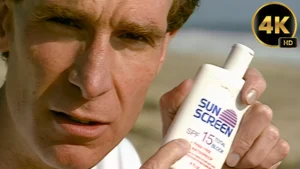
Another fascinating aspect of the Sun is its electromagnetic spectrum. We often only think about sunlight as visible light, but the Sun also emits ultraviolet (UV) radiation, infrared heat, and even X-rays. Bill demonstrates how different types of light interact with our atmosphere, influencing our climate and affecting our skin. The episode also explores the ozone layer, which protects us from harmful UV rays, and how human activities can weaken this natural shield.
Experiments & Demonstrations
Bill Nye makes science exciting by showcasing real-life applications of solar energy. In this episode, he uses solar panels to demonstrate how sunlight can be converted into electricity. He explains the concept of photovoltaic cells, which capture solar energy and transform it into usable power, a technology that is rapidly shaping the future of renewable energy.
Another fun experiment involves using a magnifying glass to concentrate sunlight, showing how focused solar energy can generate extreme heat. This experiment highlights how concentrated solar power plants harness the Sun’s energy to produce electricity on a large scale.
Bill also explores the greenhouse effect, demonstrating how the Sun’s energy warms the Earth and how greenhouse gases like carbon dioxide trap heat. This segment provides a deeper understanding of climate change and how human activities are impacting our planet’s temperature.
Impact & Applications
The Sun’s energy is vital for sustaining ecosystems. Photosynthesis, the process by which plants convert sunlight into energy, fuels the entire food chain. Without the Sun, plants wouldn’t grow, and life as we know it would collapse.
Beyond nature, the Sun is revolutionizing technology. Solar energy is becoming one of the most important renewable resources, powering homes, cars, and even spacecraft. Scientists are also studying solar weather, as phenomena like solar flares and sunspots can disrupt satellites, GPS systems, and power grids on Earth. Bill Nye explains how researchers monitor the Sun to predict and prepare for such space weather events.
Scientific Adjustment
Since the airing of this episode, our understanding of the Sun has advanced significantly. NASA’s Parker Solar Probe, launched in 2018, has provided groundbreaking insights into the Sun’s outer atmosphere, helping scientists understand solar wind and space weather better than ever before. Additionally, research in nuclear fusion on Earth is bringing us closer to replicating the Sun’s power, with promising developments in fusion reactors that could provide limitless clean energy.
Conclusion
The Sun is more than just a bright object in the sky—it is the source of life, energy, and future technological innovations. Through engaging demonstrations and fun experiments, Bill Nye makes learning about the Sun both exciting and accessible. This episode is a must-watch for anyone curious about the science behind the giant star that powers our world.
Links
Visit our homepage for more Seriously Scientific news and documentaries: SeriouslyScientific.com.
Subscribe to our YouTube channel for more science content: Seriously Scientific YouTube.
Get free science worksheets for students and educators: Seriously Scientific on TPT.
Bill Nye The Science Guy
02 // EPISODE_INDEX100 remastered episodes across 5 seasons of science education
Season 1 (20 episodes)
Bill Nye The Science Guy | Flight
Bill Nye The Science Guy | Earth's Crust
Bill Nye The Science Guy | Dinosaurs
Bill Nye The Science Guy | Skin
Bill Nye The Science Guy | Buoyancy
Bill Nye The Science Guy | Gravity
Bill Nye The Science Guy | Digestion
Bill Nye The Science Guy | Phases of Matter
Bill Nye The Science Guy | Biodiversity
Bill Nye The Science Guy | Simple Machines
Bill Nye The Science Guy | The Moon
Bill Nye The Science Guy | Sound
Bill Nye The Science Guy | Garbage
Bill Nye The Science Guy | Structures
Bill Nye The Science Guy | Earth's Seasons
Bill Nye The Science Guy | Light & Color
Bill Nye The Science Guy | Cells
Bill Nye The Science Guy | Electricity
Bill Nye The Science Guy | Outer Space
Bill Nye The Science Guy | Eyeballs
Season 2 (20 episodes)
Bill Nye The Science Guy | Magnetism
Bill Nye The Science Guy | Wind
Bill Nye The Science Guy | Blood & Circulation
Bill Nye The Science Guy | Chemical Reactions
Bill Nye The Science Guy | Static Electricity
Bill Nye The Science Guy | Food Webs
Bill Nye The Science Guy | Light Optics
Bill Nye The Science Guy | Bones & Muscle
Bill Nye The Science Guy | Oceanography
Bill Nye The Science Guy | Heat
Bill Nye The Science Guy | Insects
Bill Nye The Science Guy | Balance
Bill Nye The Science Guy | The Sun
Bill Nye The Science Guy | The Brain
Bill Nye The Science Guy | Forests
Bill Nye The Science Guy | Communication
Bill Nye The Science Guy | Momentum
Bill Nye The Science Guy | Reptiles
Bill Nye The Science Guy | Atmosphere
Bill Nye The Science Guy | Respiration
Season 3 (21 episodes)
Bill Nye The Science Guy | Planets & Moons
Bill Nye The Science Guy | Pressure
Bill Nye The Science Guy | Plants
Bill Nye The Science Guy | Rocks & Soil
Bill Nye The Science Guy | Energy
Bill Nye The Science Guy | Evolution
Bill Nye The Science Guy | The Water cycle
Bill Nye The Science Guy | Friction
Bill Nye The Science Guy | Germs
Bill Nye The Science Guy | Climates
Bill Nye The Science Guy | Waves
Bill Nye The Science Guy | Ocean Life
Bill Nye The Science Guy | Mammals
Bill Nye The Science Guy | Spinning Things
Bill Nye The Science Guy | Fish
Bill Nye The Science Guy | Human Transportation
Bill Nye The Science Guy | Wetlands
Bill Nye The Science Guy | Birds
Bill Nye The Science Guy | Populations
Bill Nye The Science Guy | Animal Locomotion
Bill Nye The Science Guy | Invertebrates
Season 4 (19 episodes)
Bill Nye The Science Guy | Rivers & Streams
Bill Nye The Science Guy | Nutrition
Bill Nye The Science Guy | Marine Mammals
Bill Nye The Science Guy | Earthquakes
Bill Nye The Science Guy | NTV Music Videos
Bill Nye The Science Guy | Spiders
Bill Nye The Science Guy | Pollution Solutions
Bill Nye The Science Guy | Probability
Bill Nye The Science Guy | Pseudoscience
Bill Nye The Science Guy | Flowers
Bill Nye The Science Guy | Archaeology
Bill Nye The Science Guy | Deserts
Bill Nye The Science Guy | Amphibians
Bill Nye The Science Guy | Volcanoes
Bill Nye The Science Guy | The Heart
Bill Nye The Science Guy | Inventions
Bill Nye The Science Guy | Computers
Bill Nye The Science Guy | Fossils
Bill Nye The Science Guy | Time
Season 5 (20 episodes)
Bill Nye The Science Guy | Forensics
Bill Nye The Science Guy | Space Exploration
Bill Nye The Science Guy | Genes
Bill Nye The Science Guy | Architecture
Bill Nye The Science Guy | Farming
Bill Nye The Science Guy | Life Cycles
Bill Nye The Science Guy | The Scientific Method
Bill Nye The Science Guy | Atoms
Bill Nye The Science Guy | Ocean Exploration
Bill Nye The Science Guy | Lakes and Ponds
Bill Nye The Science Guy | Smell
Bill Nye The Science Guy | Caves
Bill Nye The Science Guy | Erosion
Bill Nye The Science Guy | Fluids
Bill Nye The Science Guy | Comets and Meteors
Bill Nye The Science Guy | Measurement
Bill Nye The Science Guy | Patterns
Bill Nye The Science Guy | Storms
Bill Nye The Science Guy | Music
Bill Nye The Science Guy - Motion
Loading Biography...
The Sun
Based on Bill Nye the Science Guy · Season 2, Episode 13 · 23 min
It is a supercharged ball of glowing plasma millions of kilometres away, but it produces the energy needed to power every single living thing on our planet. Join Bill Nye the Science Guy as we investigate the immense heat, light, and power of the Sun!
Welcome to the Star of our Solar System!
Over one million! The Sun is absolutely massive. It takes one million three hundred thousand Earths to completely fill up the space inside the Sun.
The Sun! Fossil fuels like oil are made from ancient plants. Millions of years ago, those plants captured their energy directly from the light of the Sun.
Put Your Instincts to the Test
Think about how light and heat move through our world. Pick an answer for each question, then see if your instincts were right.
Black! As Bill Nye the Science Guy demonstrates with his water bowl experiment, dark black objects absorb the most solar energy and heat up the fastest.
To let light in but trap the thermal energy inside! Glass acts like a greenhouse roof, keeping the heat insulation perfectly secure so temperatures can rise over one hundred degrees.
A solar eclipse! The moon completely blocks the sun and casts a round shadow onto the surface of the Earth, temporarily turning day into night.
Understanding the Science
Tap each card to uncover the spectacular physics and high energy states of matter that power our local star.
Key Concepts
Solar Energy
Tap to learn moreThe radiant light and thermal heat produced by the Sun that serves as the primary power source for all life on Earth.
Photovoltaic Cells
Tap to learn moreSpecialised electrical panels treated from silicon dioxide that directly convert particle light energy into clean electricity.
Core
Tap to learn moreThe intensely hot and crushed centre of the Sun where immense gravitational pressure drives continuous nuclear explosions.
Plasma
Tap to learn moreThe fourth state of matter. This is an electrically charged, superheated fluid where electrons have been completely stripped away from atomic nuclei due to extreme temperatures.
Sunspots
Tap to learn moreSlightly cooler and darker regions formed temporarily on the star surface by highly concentrated magnetic fluctuations.
Solar Flares
Tap to learn moreMassive eruptions of glowing plasma bursting violently from the star surface that reach blistering temperatures of ten thousand degrees Celsius.
Solar Eclipse
Tap to learn moreThe visual phenomenon when the passing moon shifts perfectly between the Earth and Sun, casting its shadow across the globe.
Melanin
Tap to learn moreThe natural biological pigment found inside human skin cells that acts to defend tissues against damaging ultraviolet rays.
Try It: SolarSat Storm Watch
A solar flare has erupted on the Sun and a series of coronal mass ejections is now heading directly toward Earth. This is the Halloween Storms scenario, modelled on the real event of October 2003 when three back-to-back CMEs hammered our magnetosphere. You are the operator on duty at the SolarSat Orbital Array.
Read the forecast timeline. Use the yellow tilt knob to angle your panels (90° collects the most energy but exposes the most surface; 0° is edge-on and safest). The Shield button deploys a protective dome. The Grid Connection button disconnects from the grid to protect the inverter during plasma surges.
SolarSat Storm Watch
Three CME waves are inbound. Read the timeline, tilt your panels, and protect the hardware. Survive 60 seconds with the array intact to win.
Apply Your Knowledge
Let us see if you can trace how cosmic solar energy moves into items we use every day.
Match the Concepts
Click an energy item to select it, then click the matching solar source description to place it.
Real World Challenge
Bill Nye the Science Guy explains that even a sidewalk surfer gets their energy directly from the Sun. Thinking carefully about how food webs operate, trace the complete path of solar energy from a photon leaving our star all the way to the muscle cells contracting inside your legs.
What Has Changed Since This Episode Aired
This episode originally aired in 1994. While the core physics of our star remain perfectly accurate, solar engineering and astronomy technologies have lept forward significantly.
Updated: Scientists have tracked multiple solar cycles since then using advanced space telescopes like the Solar Dynamics Observatory. Instead of just projecting shadows onto paper, we now monitor magnetic fields constantly to predict massive space weather disruptions that could affect modern satellite communications and global power grids.
Updated: Today, massive grid scale solar farms operate worldwide, providing clean power to millions. Structural engineers have recently created transparent solar glass materials. This innovation allows building teams to turn entire skyscraper windows into invisible photovoltaic power collectors without blocking any incoming view.
Updated: In an incredible achievement, space agencies launched the Parker Solar Probe, which became the very first human built spacecraft to fly directly through the sun's outer atmosphere. Protected by advanced carbon composite heat shields, it gathers live data on solar flares and solar wind directly from the edge of the star itself.
Test Your Understanding
Answer these questions and get instant feedback. How many can you get right?
Results
Your score:
Reflection
Think about the four states of matter you encounter (solids, liquids, gases, and plasma). Since the Sun is made entirely of plasma, how do you think its behavior and magnetic fields differ from a regular ball of hot gas?
Episode Discussion
Share your thoughts on this Bill Nye episode