


































Oceanography
Exploring Oceanography with Bill Nye
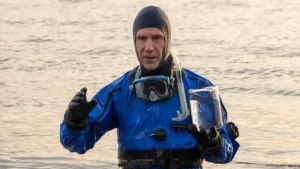
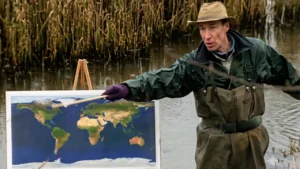
The ocean covers more than 70% of Earth, yet much of it remains unexplored. In this episode of Bill Nye The Science Guy, we dive into the fascinating world of oceanography. Oceans do more than just hold water—they shape the climate, influence weather, and provide a home for countless species. Scientists study the ocean to understand how waves, tides, and currents impact life on Earth.
How the Ocean Moves
Oceans are constantly in motion, and this movement affects everything from coastal ecosystems to global weather patterns. Waves form when wind transfers energy to the surface, creating the rolling motion we see at the beach. Tides, on the other hand, are caused by the gravitational pull of the Moon and the Sun. Meanwhile, deep ocean currents move water across the globe, transporting heat and regulating climate. Without these natural forces, Earth’s temperatures would be more extreme, and weather patterns would be unpredictable.
Bill Nye’s Ocean Science Experiments
Understanding oceanography is easier when you can see it in action. That’s why Bill Nye performs experiments to show how salt changes water density, why waves form, and how temperature differences create powerful ocean currents. He also explains why the ocean appears blue and how light behaves when it enters the water. These demonstrations make complex ideas easy to grasp, helping viewers see the ocean as a dynamic and ever-changing system.
Why Oceans Matter
Oceans play a crucial role in keeping the planet stable. They absorb carbon dioxide, helping to regulate global temperatures. They also support millions of species, from tiny plankton to massive whales. Beyond marine life, oceans affect our daily lives by influencing weather patterns, fueling storms, and even offering potential sources of renewable energy. However, human activities like pollution, overfishing, and climate change threaten the delicate balance of ocean ecosystems.
Scientific Adjustment: What We Know Today
Since this episode aired, oceanographers have made groundbreaking discoveries. Deep-sea exploration has revealed new species and underwater ecosystems, while advanced technology has helped scientists track rising ocean temperatures and their effects on marine life. Research on ocean acidification has shown how increasing carbon dioxide levels harm coral reefs, and studies on plastic pollution have uncovered microplastics in even the most remote parts of the ocean. With the help of satellites and deep-diving robots, scientists can now monitor ocean health in real time, allowing for a better understanding of how to protect this vital resource.
Conclusion: A World of Discovery Beneath the Waves
The ocean is one of the most powerful forces on Earth, shaping the climate, supporting life, and holding mysteries yet to be uncovered. By studying oceanography, scientists continue to learn how this vast system works and how human actions affect it. This episode of Bill Nye The Science Guy makes ocean science exciting and accessible, showing why understanding the ocean is more important than ever.
More Seriously Scientific Links
Visit our homepage for more Seriously Scientific news and documentaries: https://seriouslyscientific.com.
Subscribe to our YouTube channel for more science content: https://youtube.com/@seriouslyscientific.
Get free science worksheets for students and educators: https://teacherspayteachers.com/Store/Seriously-Scientific.
Follow us on BlueSky: https://bsky.app/profile/seriouslysci.bsky.social.
Bill Nye The Science Guy
02 // EPISODE_INDEX100 remastered episodes across 5 seasons of science education
Season 1 (20 episodes)
Bill Nye The Science Guy | Flight
Bill Nye The Science Guy | Earth's Crust
Bill Nye The Science Guy | Dinosaurs
Bill Nye The Science Guy | Skin
Bill Nye The Science Guy | Buoyancy
Bill Nye The Science Guy | Gravity
Bill Nye The Science Guy | Digestion
Bill Nye The Science Guy | Phases of Matter
Bill Nye The Science Guy | Biodiversity
Bill Nye The Science Guy | Simple Machines
Bill Nye The Science Guy | The Moon
Bill Nye The Science Guy | Sound
Bill Nye The Science Guy | Garbage
Bill Nye The Science Guy | Structures
Bill Nye The Science Guy | Earth's Seasons
Bill Nye The Science Guy | Light & Color
Bill Nye The Science Guy | Cells
Bill Nye The Science Guy | Electricity
Bill Nye The Science Guy | Outer Space
Bill Nye The Science Guy | Eyeballs
Season 2 (20 episodes)
Bill Nye The Science Guy | Magnetism
Bill Nye The Science Guy | Wind
Bill Nye The Science Guy | Blood & Circulation
Bill Nye The Science Guy | Chemical Reactions
Bill Nye The Science Guy | Static Electricity
Bill Nye The Science Guy | Food Webs
Bill Nye The Science Guy | Light Optics
Bill Nye The Science Guy | Bones & Muscle
Bill Nye The Science Guy | Oceanography
Bill Nye The Science Guy | Heat
Bill Nye The Science Guy | Insects
Bill Nye The Science Guy | Balance
Bill Nye The Science Guy | The Sun
Bill Nye The Science Guy | The Brain
Bill Nye The Science Guy | Forests
Bill Nye The Science Guy | Communication
Bill Nye The Science Guy | Momentum
Bill Nye The Science Guy | Reptiles
Bill Nye The Science Guy | Atmosphere
Bill Nye The Science Guy | Respiration
Season 3 (21 episodes)
Bill Nye The Science Guy | Planets & Moons
Bill Nye The Science Guy | Pressure
Bill Nye The Science Guy | Plants
Bill Nye The Science Guy | Rocks & Soil
Bill Nye The Science Guy | Energy
Bill Nye The Science Guy | Evolution
Bill Nye The Science Guy | The Water cycle
Bill Nye The Science Guy | Friction
Bill Nye The Science Guy | Germs
Bill Nye The Science Guy | Climates
Bill Nye The Science Guy | Waves
Bill Nye The Science Guy | Ocean Life
Bill Nye The Science Guy | Mammals
Bill Nye The Science Guy | Spinning Things
Bill Nye The Science Guy | Fish
Bill Nye The Science Guy | Human Transportation
Bill Nye The Science Guy | Wetlands
Bill Nye The Science Guy | Birds
Bill Nye The Science Guy | Populations
Bill Nye The Science Guy | Animal Locomotion
Bill Nye The Science Guy | Invertebrates
Season 4 (19 episodes)
Bill Nye The Science Guy | Rivers & Streams
Bill Nye The Science Guy | Nutrition
Bill Nye The Science Guy | Marine Mammals
Bill Nye The Science Guy | Earthquakes
Bill Nye The Science Guy | NTV Music Videos
Bill Nye The Science Guy | Spiders
Bill Nye The Science Guy | Pollution Solutions
Bill Nye The Science Guy | Probability
Bill Nye The Science Guy | Pseudoscience
Bill Nye The Science Guy | Flowers
Bill Nye The Science Guy | Archaeology
Bill Nye The Science Guy | Deserts
Bill Nye The Science Guy | Amphibians
Bill Nye The Science Guy | Volcanoes
Bill Nye The Science Guy | The Heart
Bill Nye The Science Guy | Inventions
Bill Nye The Science Guy | Computers
Bill Nye The Science Guy | Fossils
Bill Nye The Science Guy | Time
Season 5 (20 episodes)
Bill Nye The Science Guy | Forensics
Bill Nye The Science Guy | Space Exploration
Bill Nye The Science Guy | Genes
Bill Nye The Science Guy | Architecture
Bill Nye The Science Guy | Farming
Bill Nye The Science Guy | Life Cycles
Bill Nye The Science Guy | The Scientific Method
Bill Nye The Science Guy | Atoms
Bill Nye The Science Guy | Ocean Exploration
Bill Nye The Science Guy | Lakes and Ponds
Bill Nye The Science Guy | Smell
Bill Nye The Science Guy | Caves
Bill Nye The Science Guy | Erosion
Bill Nye The Science Guy | Fluids
Bill Nye The Science Guy | Comets and Meteors
Bill Nye The Science Guy | Measurement
Bill Nye The Science Guy | Patterns
Bill Nye The Science Guy | Storms
Bill Nye The Science Guy | Music
Bill Nye The Science Guy - Motion
Loading Biography...
Oceanography
Based on Bill Nye the Science Guy · Season 2, Episode 9 · 23 min
The ocean is not just a giant, still puddle of salty water. It is constantly moving, swirling, and flowing in massive global rivers. Join Bill Nye the Science Guy as we dive into the deep to discover the invisible forces that push quadrillions of tonnes of water around our planet.
Rivers of Water Flowing Through Water!
It stays behind in the ocean! When ocean water turns into vapour and floats up to form clouds, the heavy salt is left behind. This makes the remaining surface water even saltier and heavier!
Rainwater constantly rinses their minerals downhill! As water flows from the mountains to the sea, it carries tiny amounts of salt with it. Because the ocean has no outlet, that salt has been building up there for over a billion years.
Put Your Instincts to the Test
Think about what you already know about water and weather. Pick an answer for each question, then see if your instincts were right.
The glass of water! Water holds onto heat much better than air does. This is incredibly important because it means the massive oceans help regulate the temperature of the entire planet.
They expand, get lighter, and rise! Heat energy makes molecules move faster and push farther apart. Because they take up more space, the water becomes less dense and floats to the surface.
The rotation of the Earth! If our planet did not spin, the water would just move in straight lines from the equator to the poles. The spinning Earth curves the currents, an effect scientists call the Coriolis Effect.
Understanding the Science
Tap each card to uncover the forces and phenomena that keep the global ocean in constant motion.
Key Concepts
Ocean Currents
Tap to learn moreMassive rivers of water flowing within the ocean itself, moving incredible amounts of water, heat, and nutrients all over the world.
Thermohaline
Tap to learn moreA scientific word made of two parts where "thermo" means heat and "haline" means salt. Together, heat and salt drive the deep ocean currents.
Evaporation
Tap to learn moreThe process where the sun heats ocean water and turns it into vapour, leaving the heavy salt behind in the sea.
Density
Tap to learn moreThe reason why things sink or float. Salty or cold water is very dense and sinks, while fresh or warm water is less dense and rises to the surface.
Gulf Stream
Tap to learn moreA massive warm current in the Atlantic Ocean that carries tropical heat all the way up to Europe, keeping the climate surprisingly mild.
Coriolis Effect
Tap to learn moreBecause the Earth is constantly spinning, ocean currents are pushed into massive circular patterns instead of flowing in straight lines.
Heat Capacity
Tap to learn moreThe ability of water to hold onto heat much better than air, which prevents our planet from completely freezing at night.
Plankton
Tap to learn moreTiny floating plants and animals that cannot swim against the currents, completely depending on the flowing water to move them around.
Try It: The Thermohaline Chamber
You control the climate! Use the sliders to apply extreme heat to the equator or freezing cold to the poles.
The Mission: Adjust the temperatures to see how heat expands the water to make it rise, while freezing cold makes it dense enough to sink, driving a massive global current!
Apply Your Knowledge
Let us see if you can connect these physical forces to their effects on the global ocean.
Match the Concepts
Click a concept to select it, then click the matching description to place it.
Real-World Challenge
Imagine a massive glacier suddenly melts due to an unusually hot summer, dumping millions of litres of freezing cold, entirely fresh water into the salty ocean. Based on what you know about density, would this freezing fresh water sink straight to the bottom or float on the top of the salty seawater?
What Has Changed Since This Episode Aired
This episode aired in 1994. While the core physics of oceanography remain completely accurate, the tools we use to study the sea have vastly improved.
Updated: While simple drift cards are still occasionally used, today oceanographers rely heavily on fleets of autonomous, satellite-linked robotic floats. These advanced robots can dive thousands of metres underwater to measure temperature and salt levels, then bob back up to the surface to beam their data directly to scientists!
Updated: Scientists are now monitoring the Gulf Stream very closely using advanced computers. They are concerned that climate change and melting polar ice caps could dump too much fresh water into the ocean, which might disrupt the delicate salt balance and slow the mighty Gulf Stream down!
Test Your Understanding
Answer these questions and get instant feedback. How many can you get right?
Results
Your score:
Reflection
Think about the weather where you live. Do you live near the coast, or far inland? Based on what you learned about how water holds heat, how do you think the ocean affects your local summer and winter temperatures?
Episode Discussion
Share your thoughts on this Bill Nye episode